
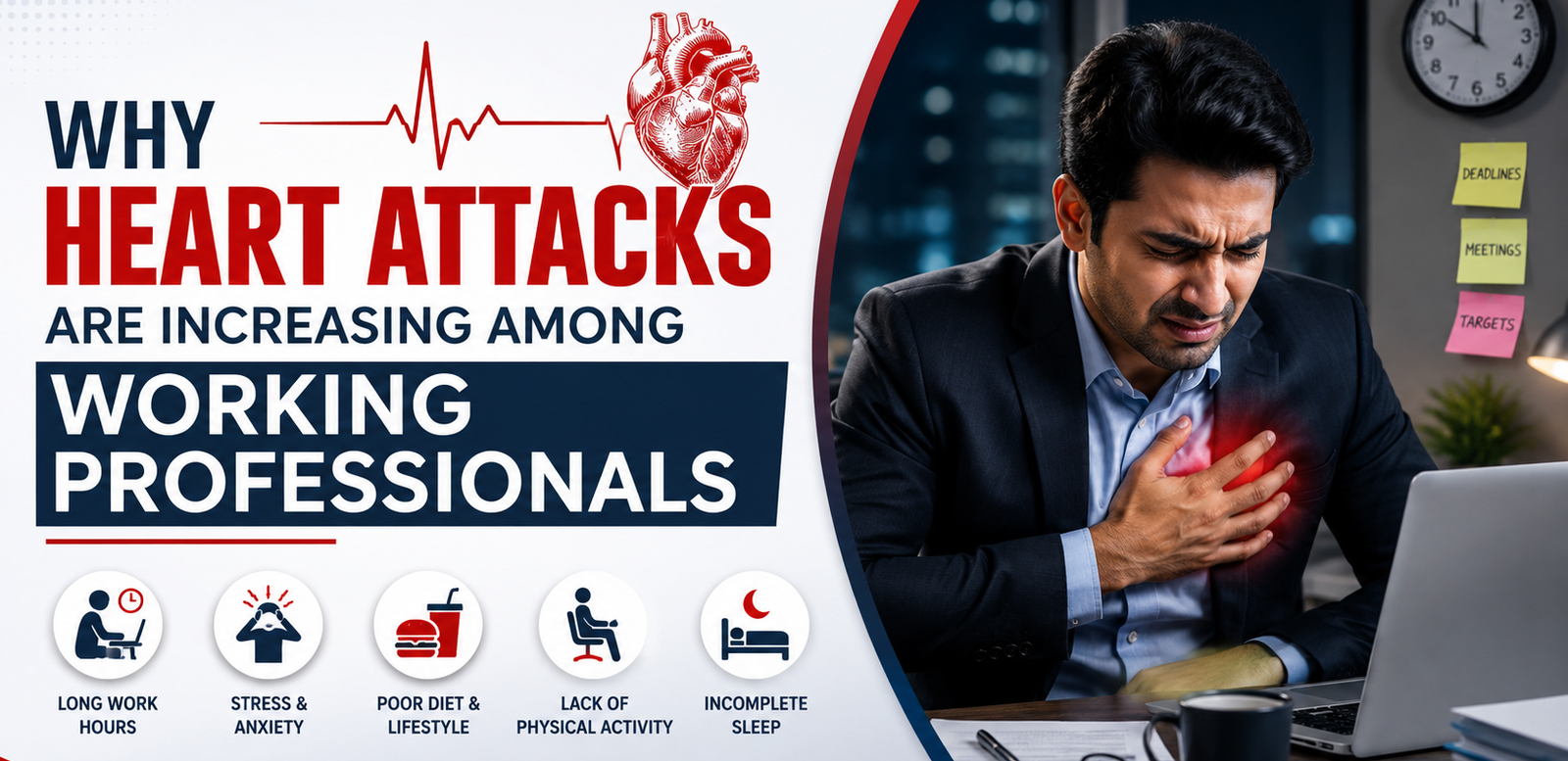
Heart attacks were once considered a health concern mainly affecting older adults. However, in recent years, an alarming rise in heart attacks among working professionals, especially those in their 30s and 40s, has become a major public health concern. Busy work schedules, unhealthy lifestyle habits, and increasing stress levels are contributing to this growing trend.
One of the leading reasons behind the increase in heart attacks among professionals is chronic stress. Tight deadlines, long working hours, job insecurity, and the pressure to maintain work-life balance can significantly affect heart health. Prolonged stress triggers the release of hormones such as cortisol and adrenaline, which can increase blood pressure and place extra strain on the cardiovascular system.
Many professionals spend most of their day sitting at desks, attending meetings, or working on computers. This lack of physical activity can lead to weight gain, obesity, high cholesterol levels, and poor blood circulation. Regular exercise plays a crucial role in maintaining heart health, and its absence increases the risk of developing cardiovascular diseases.
Fast-paced work environments often encourage unhealthy dietary choices. Many professionals rely on processed foods, fast food, sugary beverages, and irregular meal schedules due to time constraints. Diets high in saturated fats, salt, and sugar contribute to high cholesterol, hypertension, and diabetes, all of which are significant risk factors for heart attacks.
Adequate sleep is essential for maintaining cardiovascular health. Unfortunately, many working professionals sacrifice sleep to meet work demands or manage personal responsibilities. Chronic sleep deprivation can increase blood pressure, inflammation, and stress hormone levels, ultimately raising the risk of heart disease and heart attacks.
To cope with workplace stress, some individuals turn to smoking, excessive caffeine consumption, or alcohol. Smoking damages blood vessels and accelerates the buildup of plaque in arteries, while excessive alcohol intake can contribute to high blood pressure and heart rhythm disorders. These habits significantly increase the likelihood of a cardiac event.
Conditions such as hypertension, diabetes, obesity, and high cholesterol are becoming increasingly common among younger professionals. These lifestyle-related disorders often develop silently and may remain undetected until a serious complication such as a heart attack occurs. Regular health screenings are essential for early diagnosis and management.
Preventing heart attacks requires proactive lifestyle changes. Professionals should aim for at least 30 minutes of moderate exercise most days of the week, maintain a balanced diet rich in fruits and vegetables, manage stress through relaxation techniques, and ensure 7–8 hours of quality sleep each night. Regular medical check-ups can help identify risk factors before they become dangerous.
The increasing incidence of heart attacks among working professionals is a wake-up call. While career growth and professional success are important, prioritizing heart health is equally essential. By adopting healthier lifestyle habits and paying attention to early warning signs, professionals can significantly reduce their risk of heart disease and enjoy a healthier, more productive life.